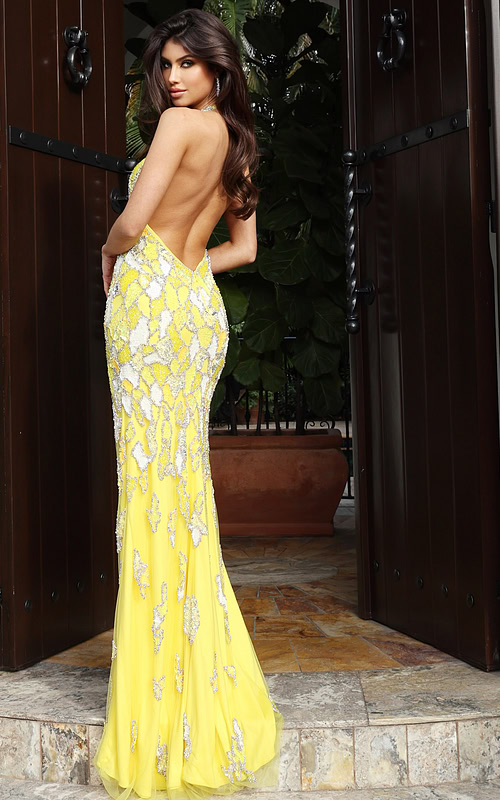
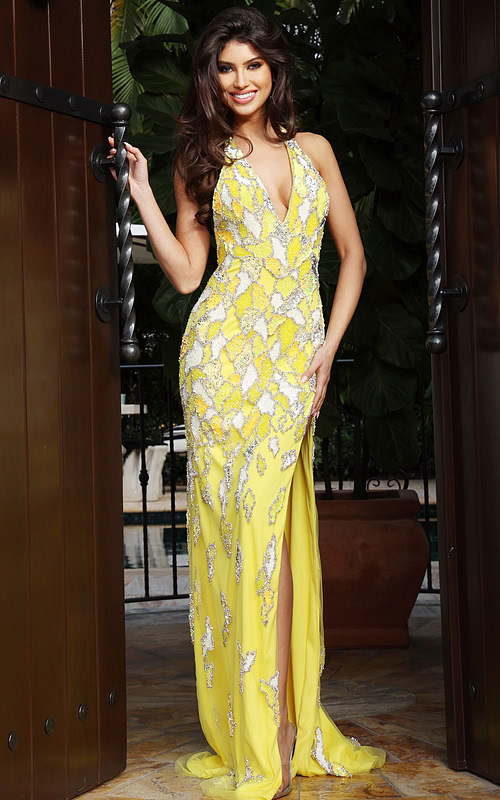
Sequin Couture Dresses Shaped by Light and Structure
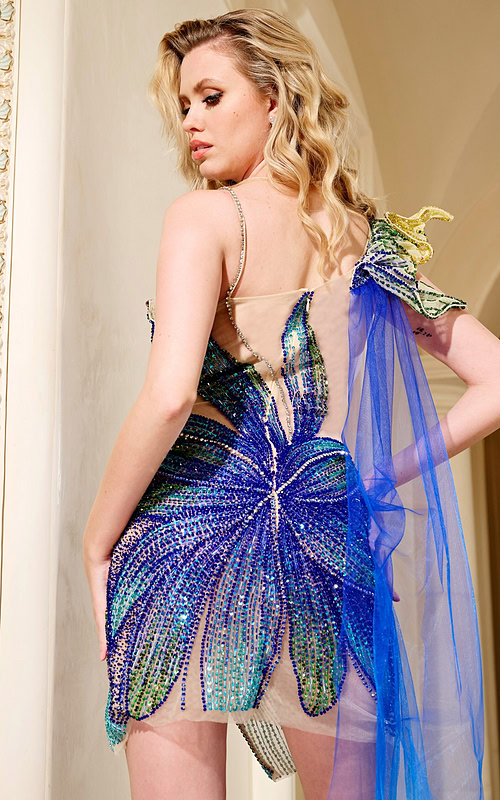
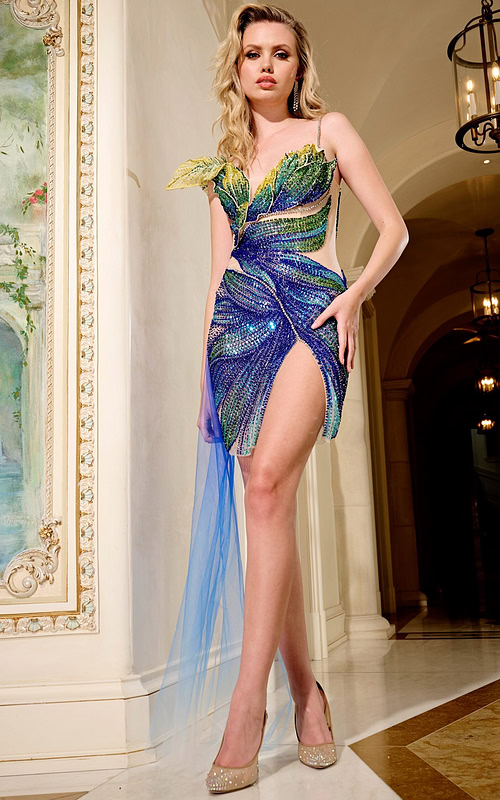
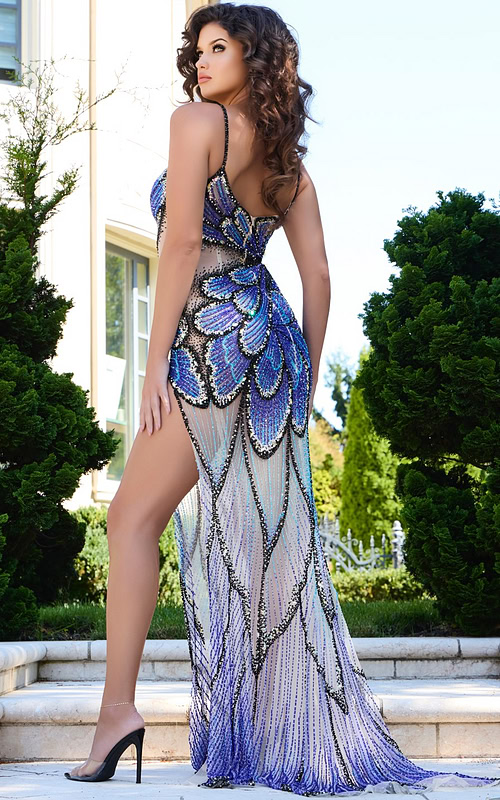
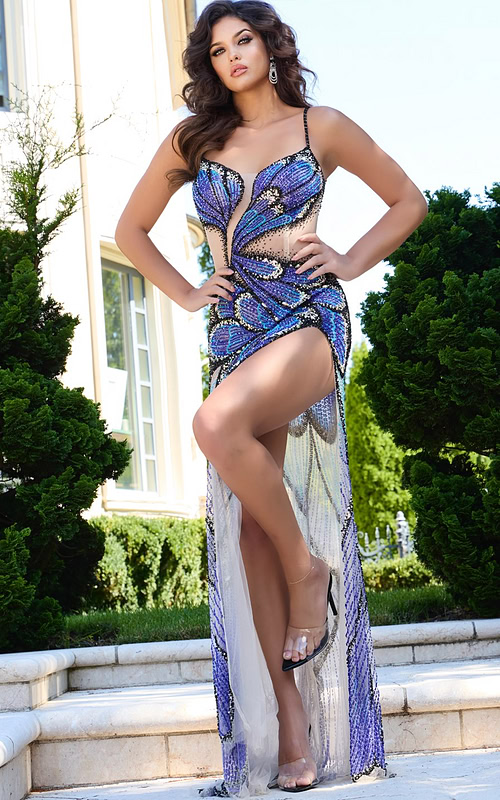
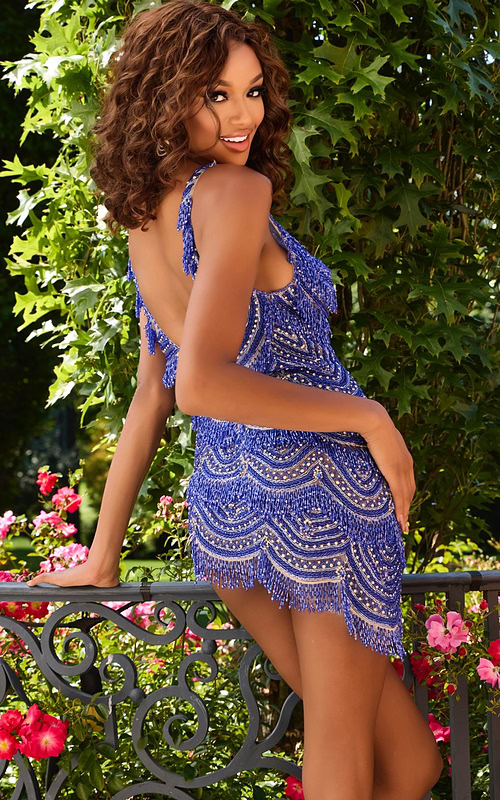
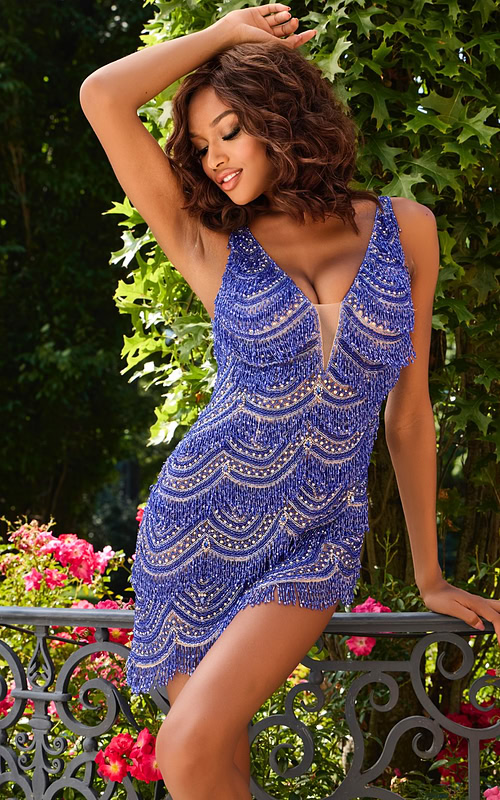
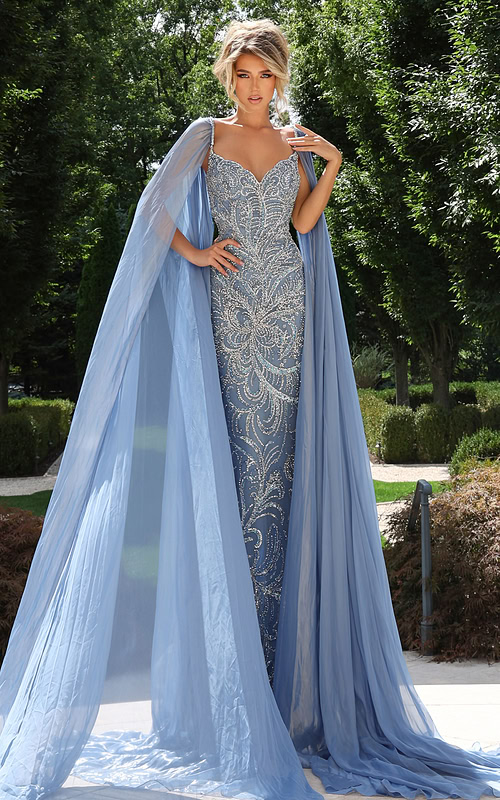
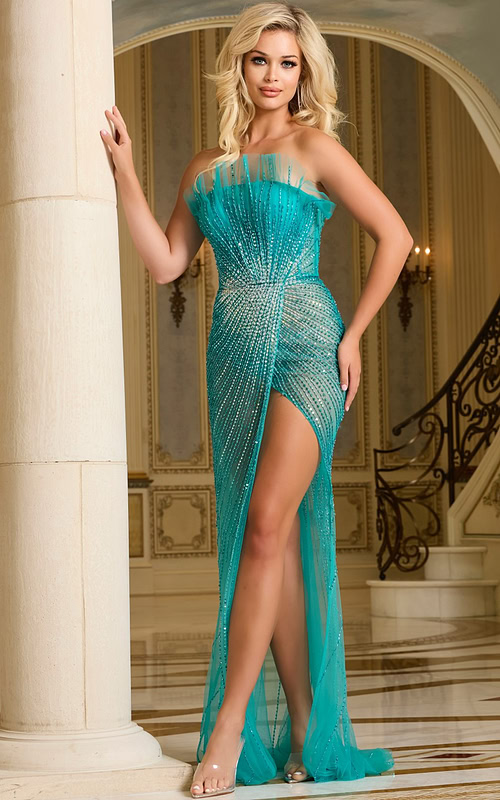
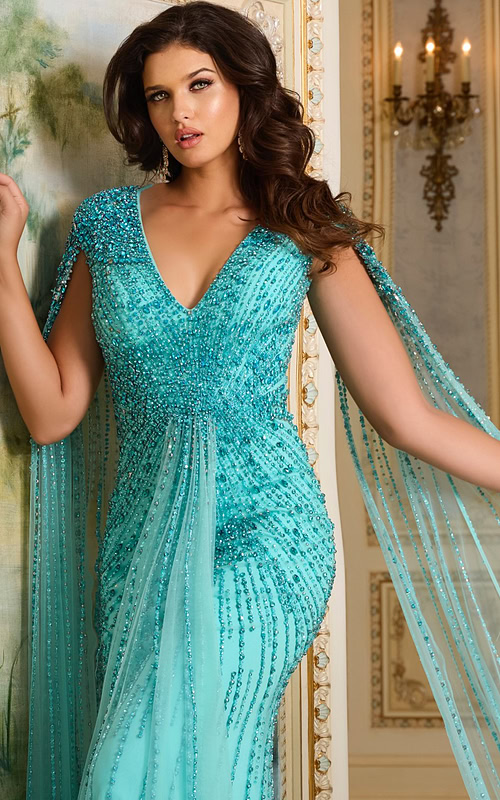
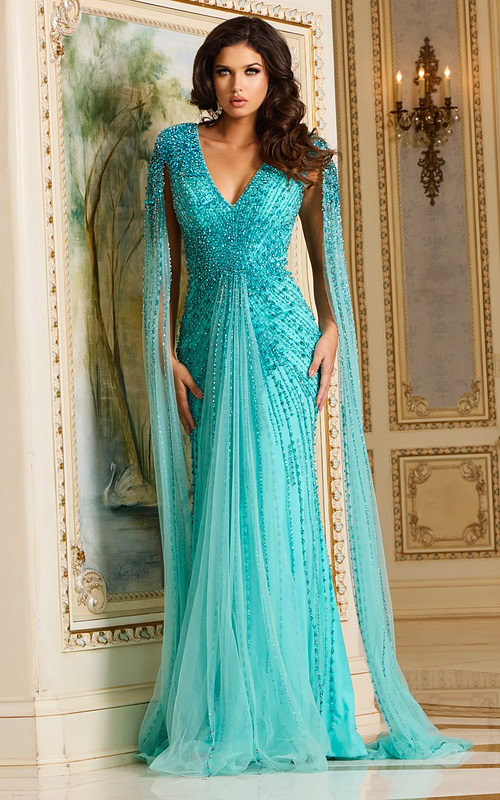
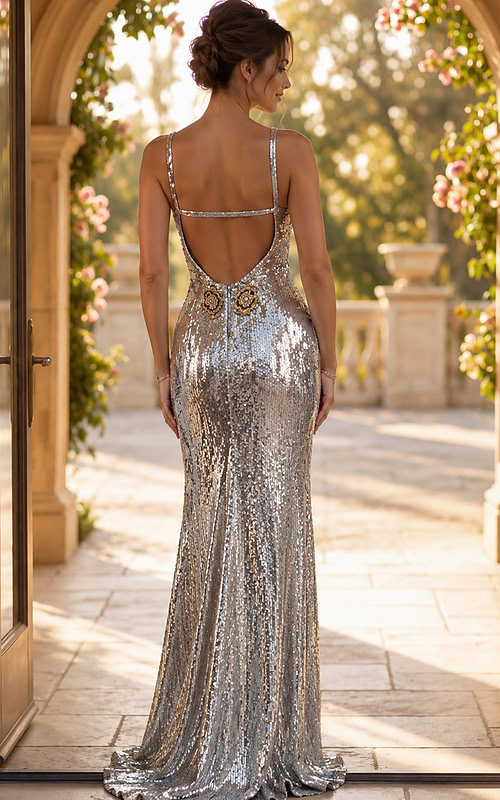
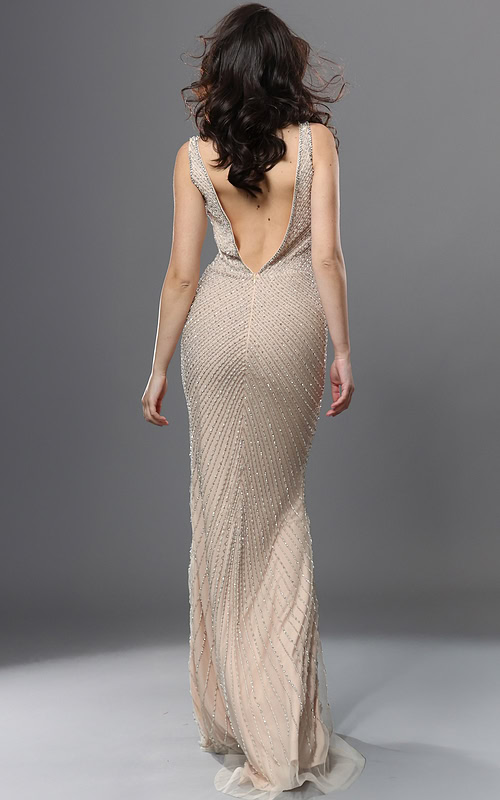
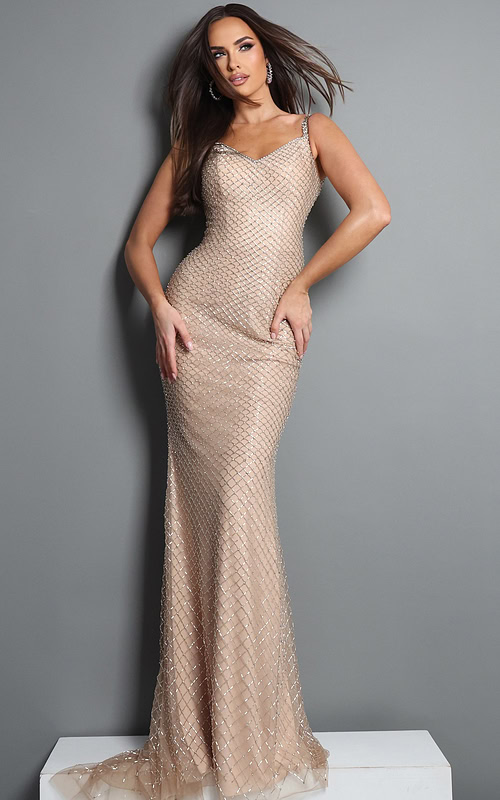
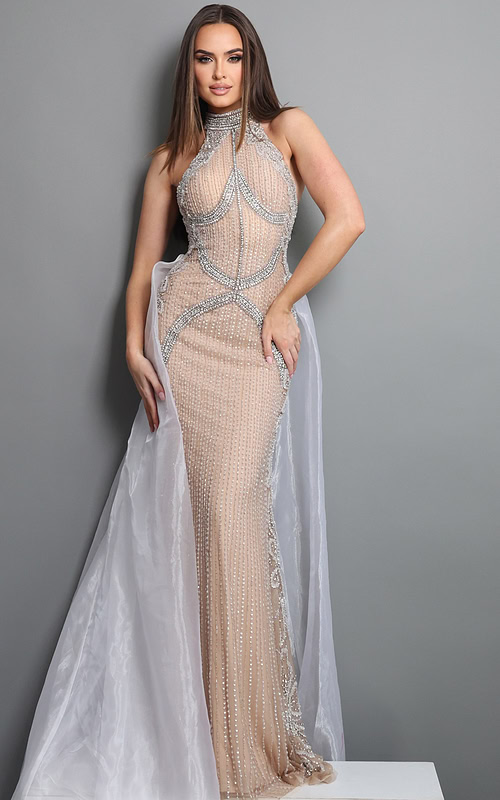
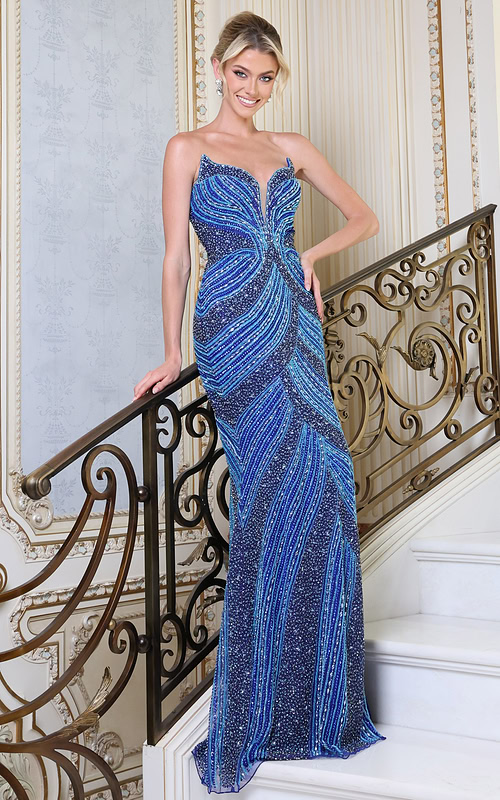
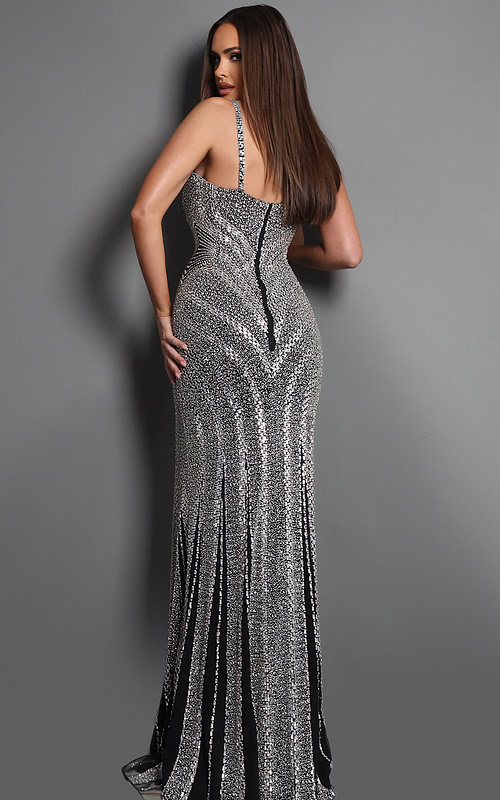
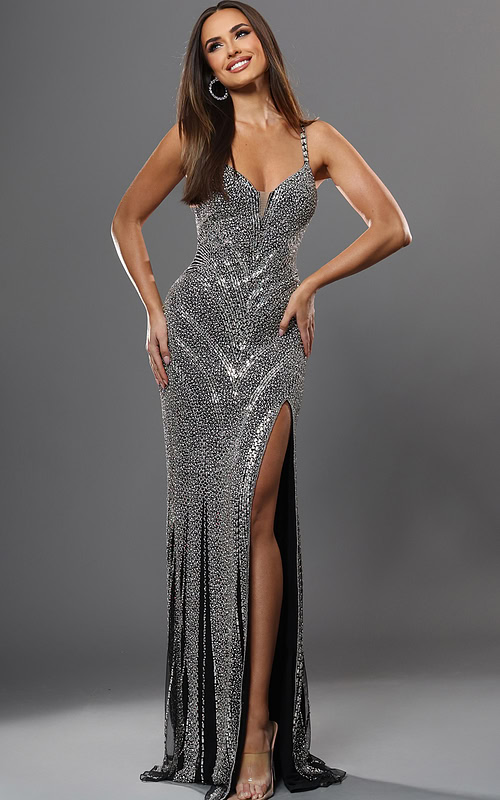
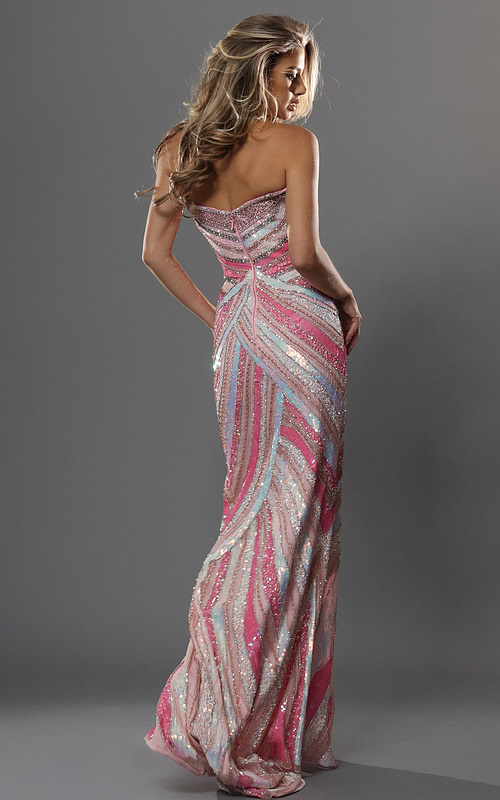
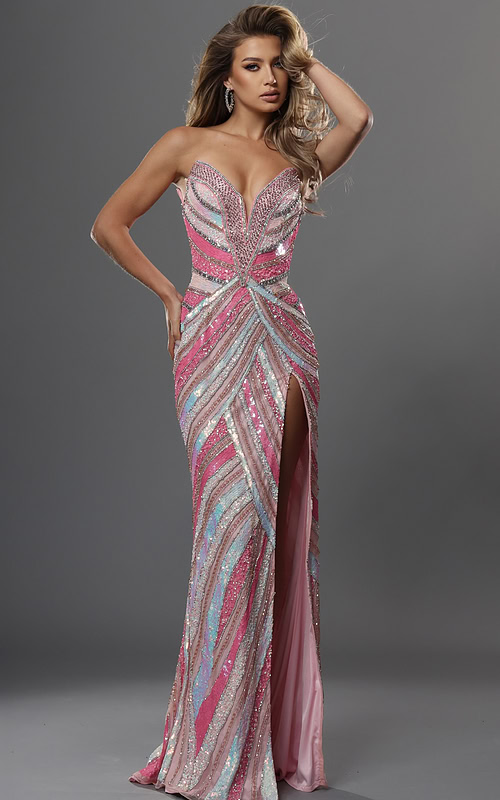
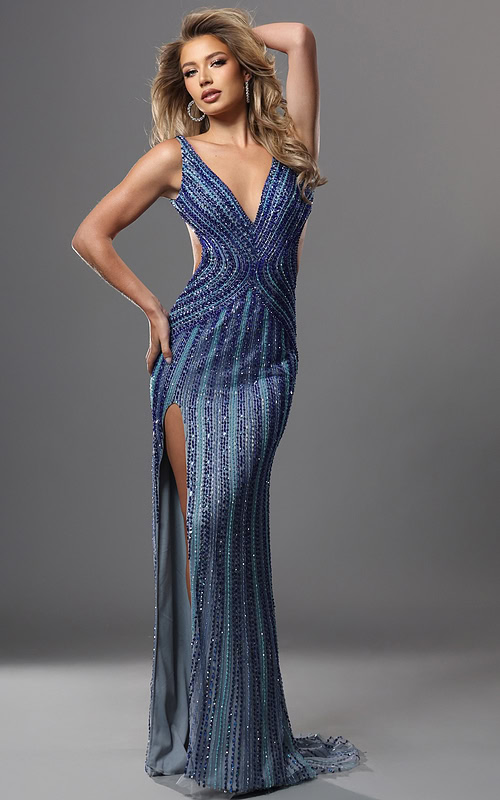
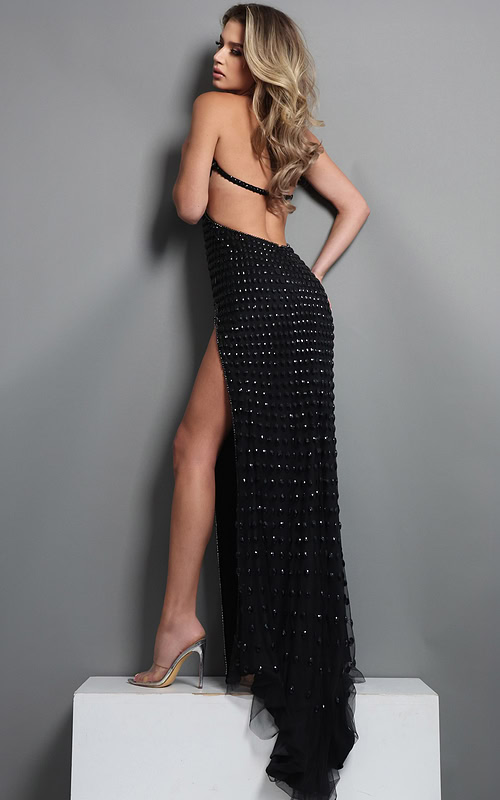
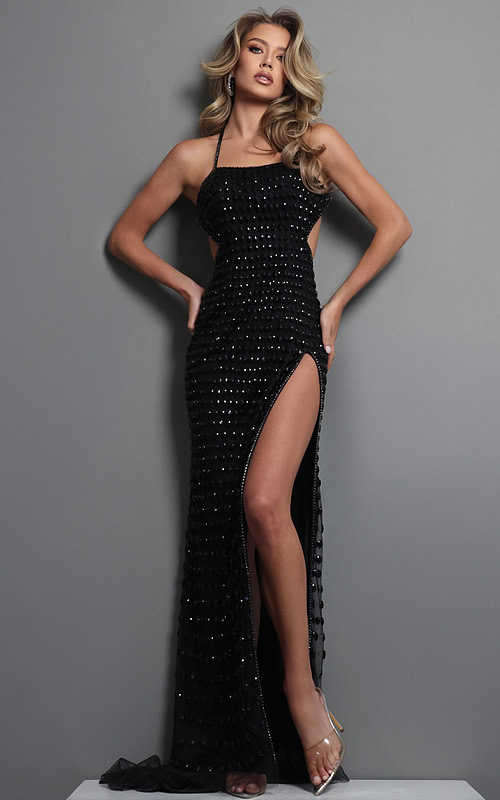
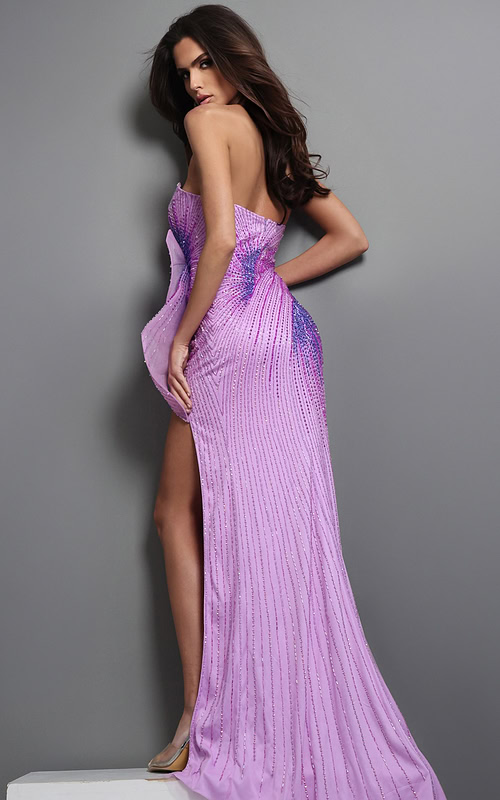
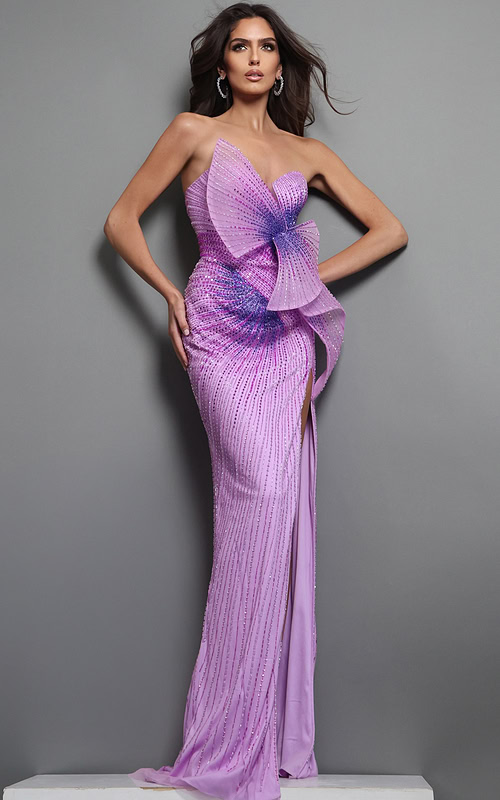
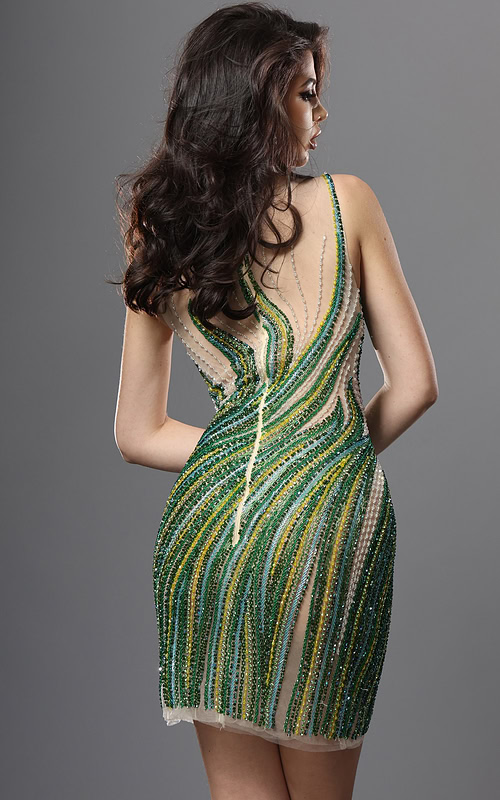
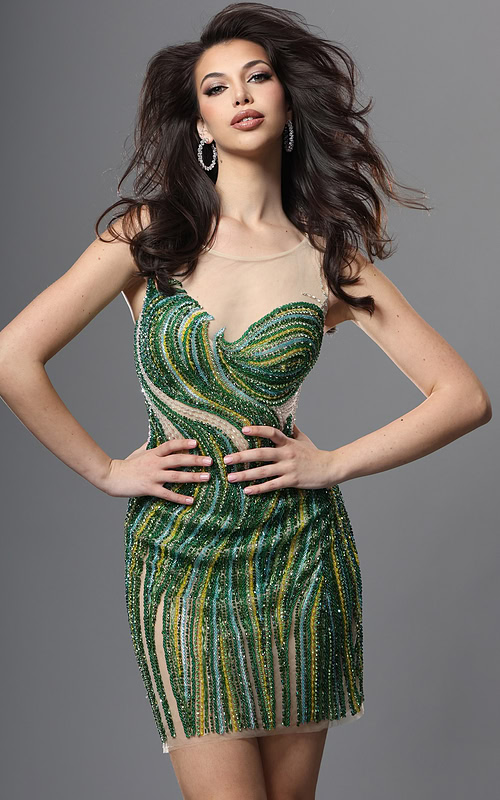
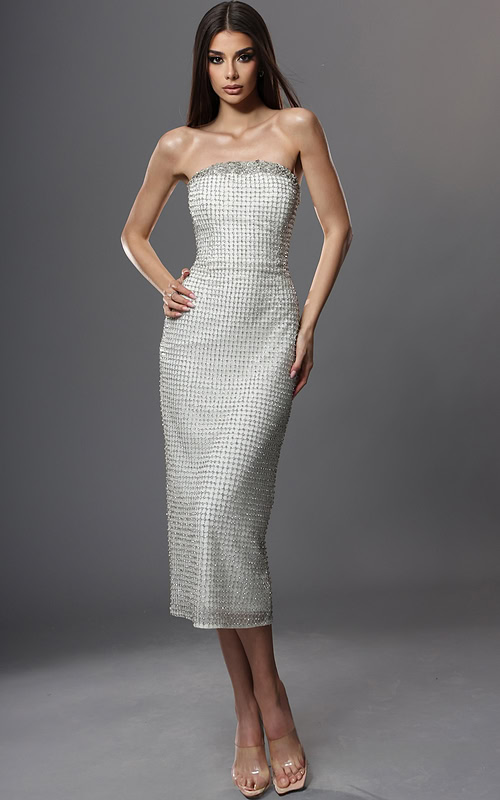
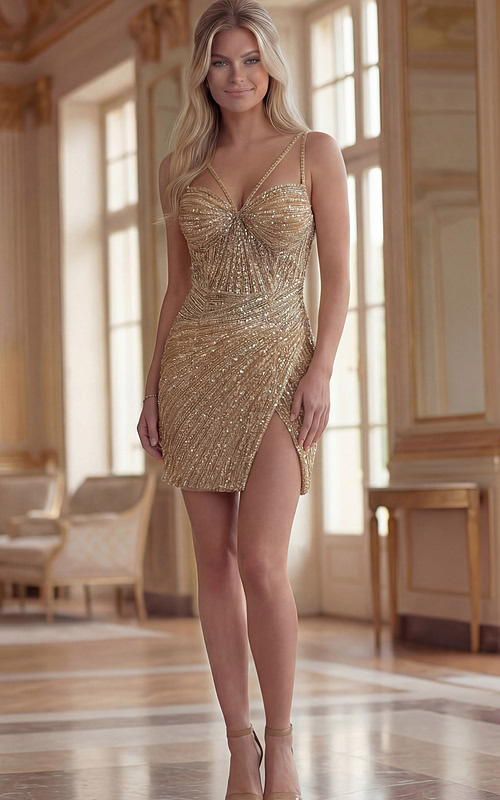
The most compelling sequin couture dresses do more than reflect light. Their embellishment follows the architecture of the gown, drawing attention to the neckline, defining the waist, or extending the body through vertical patterns. On fitted designs, tonal sequins can create a smooth, continuous finish, while contrasting crystals and beads introduce dimension across the bodice. Construction is especially important when the surface of a gown carries significant embellishment. Interior boning, shaped cups, supportive linings, and strategically positioned seams help maintain a clean silhouette beneath the decorative layer. These details distinguish couture-oriented designs from simpler stretch-sequin dresses that depend primarily on fabric elasticity.
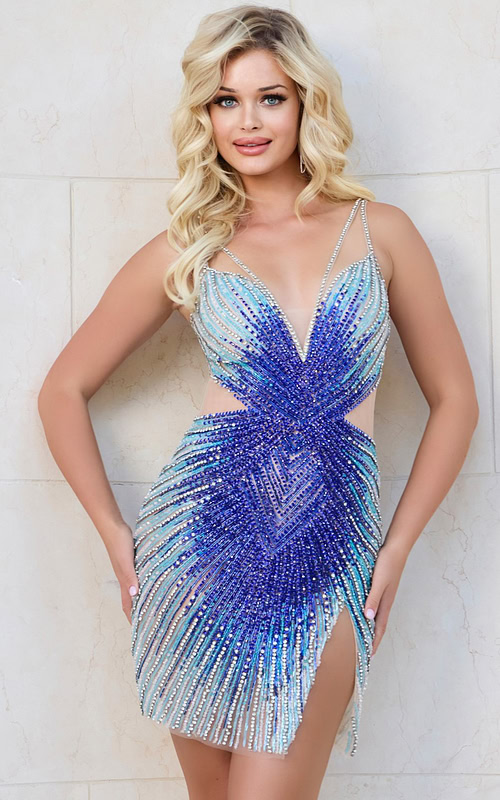
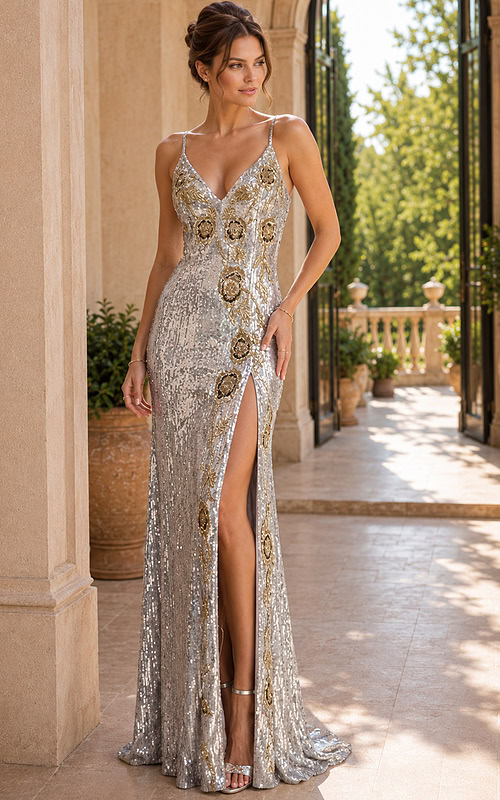
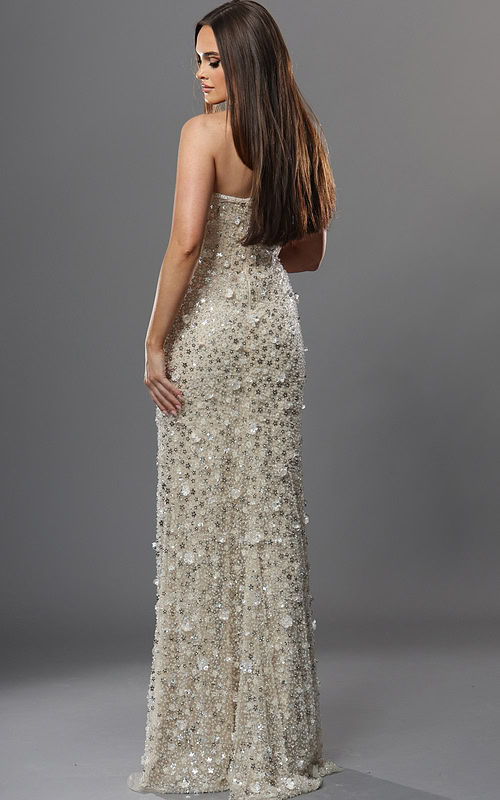
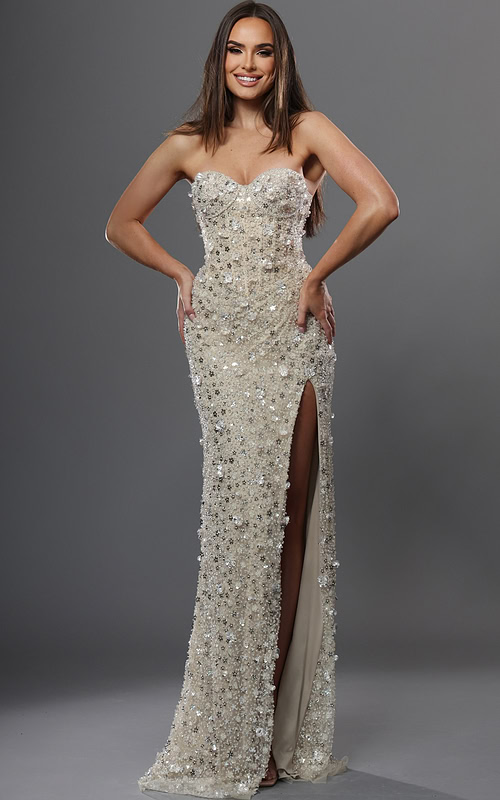
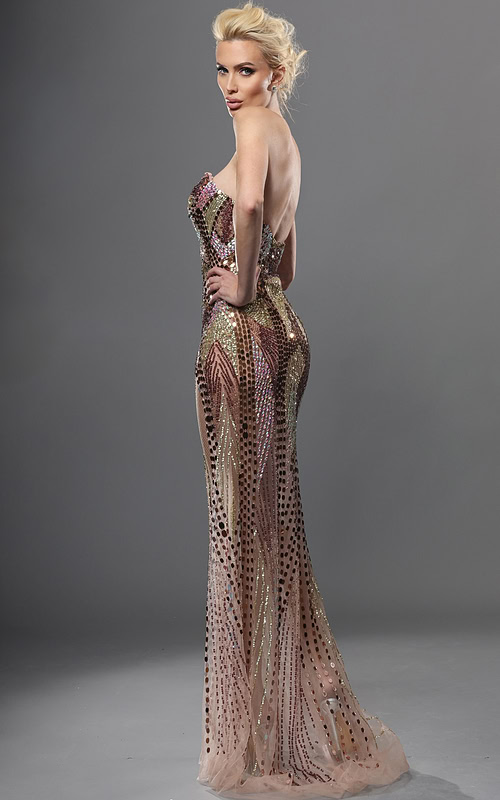
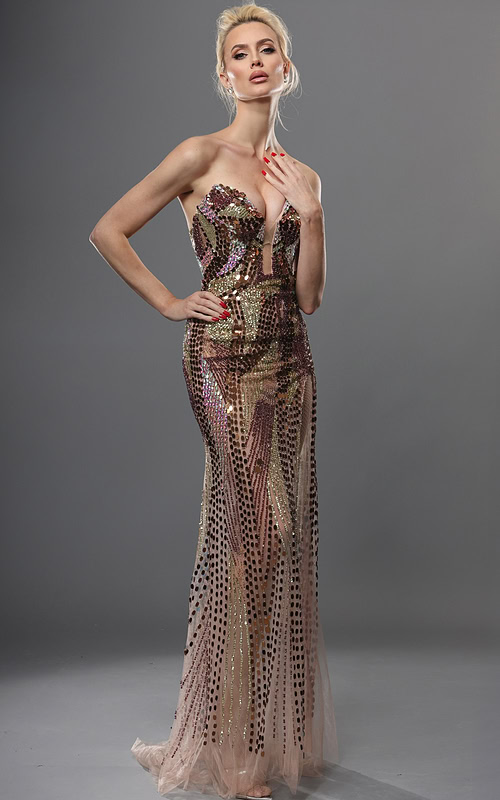
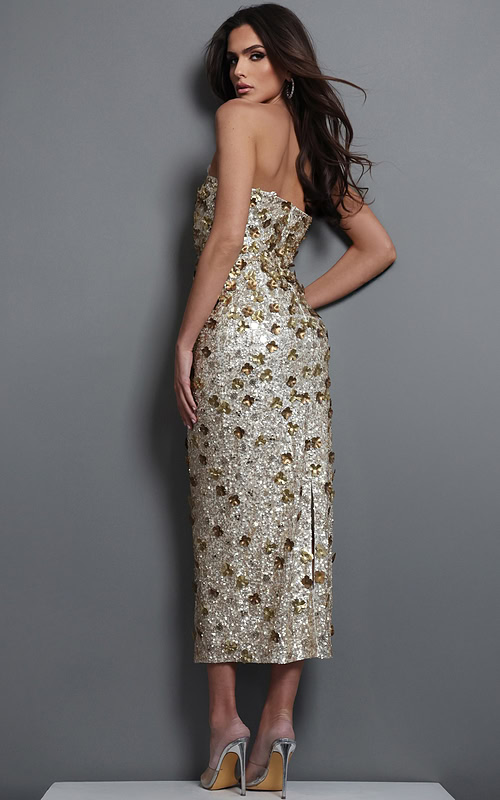
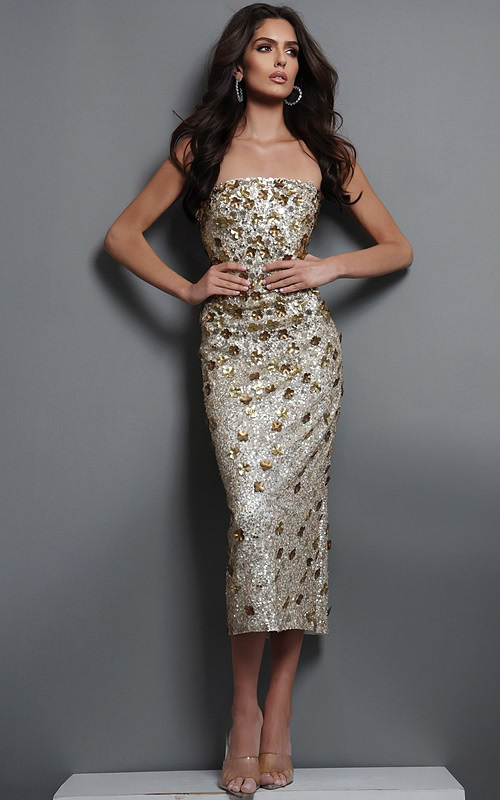
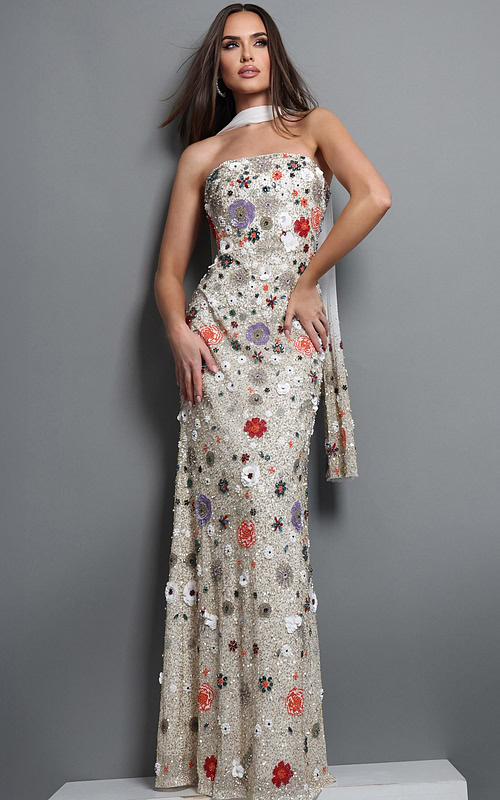
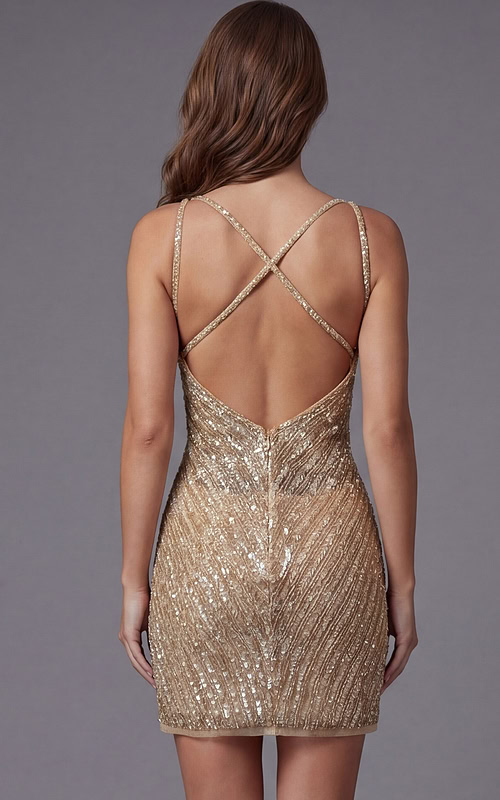
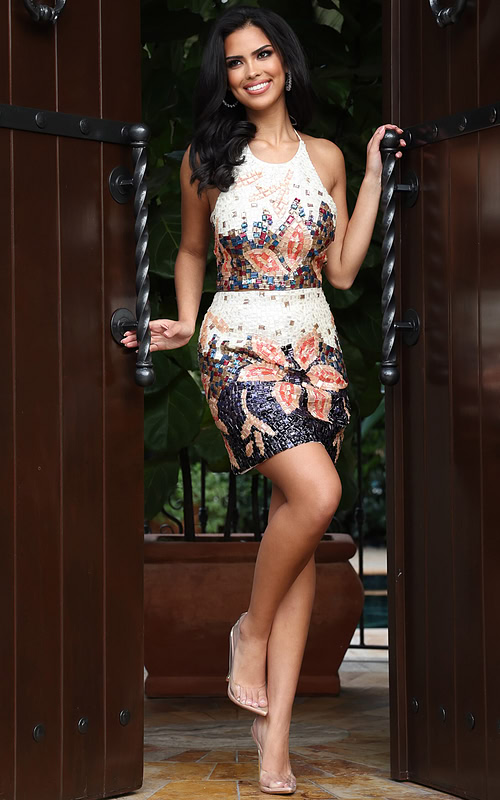
The broader selection of couture gowns provides a natural comparison for shoppers considering different forms of embellishment. Some gowns use sequins as the dominant surface treatment, while others combine them with embroidery, dimensional appliqués, feathers, or crystal beading. A sequin couture dress can appear sleek or highly dramatic depending on the scale and arrangement of its embellishment. Micro sequins produce a refined shimmer that reads almost like metallic fabric from a distance. Larger paillettes create more visible movement and a stronger reflective effect. Mixed embellishment offers another approach, using sequins for coverage and crystals to accent specific areas of the silhouette.
Finding a Sequin Silhouette That Works with the Figure
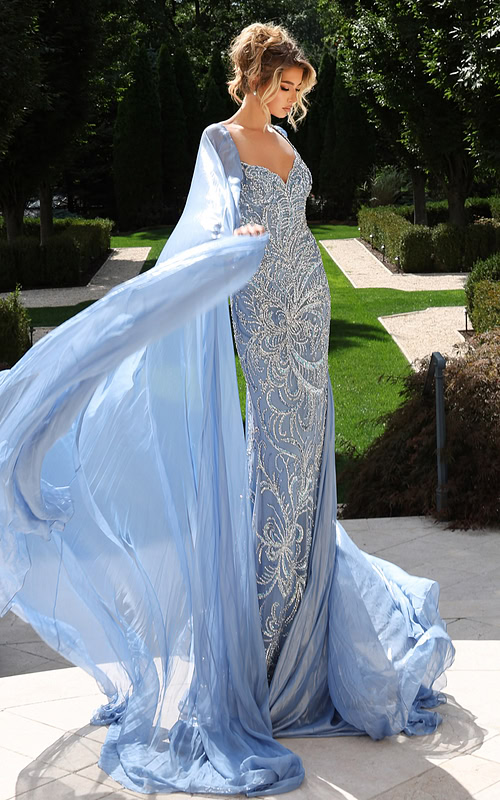
Silhouette changes how both the gown and its embellishment are perceived. A fitted column gown creates an elongated line and allows patterned sequins to guide the eye vertically. Mermaid shapes place greater emphasis on the waist and hips before opening below the knee, making them particularly effective when embellishment follows the contours of the body. A-line and full-skirted gowns distribute visual weight differently. A closely constructed bodice may carry concentrated beadwork, while the skirt introduces softer volume through tulle or layered fabric. This combination offers a defined upper body without requiring a fully fitted shape from neckline to hem.
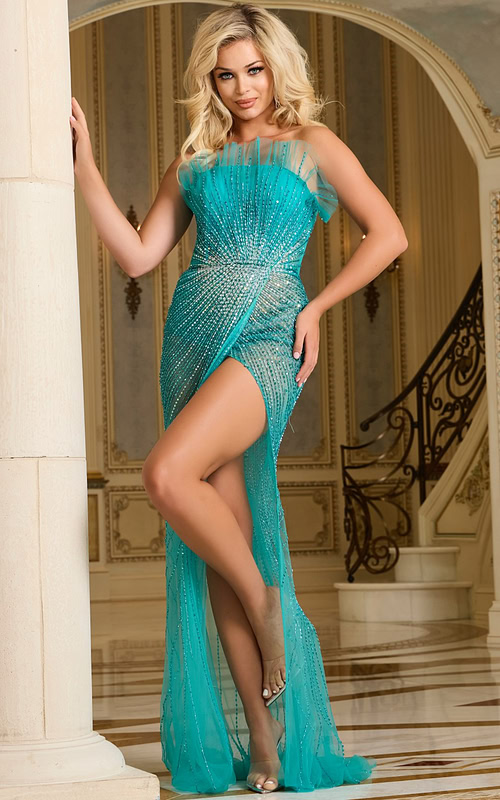
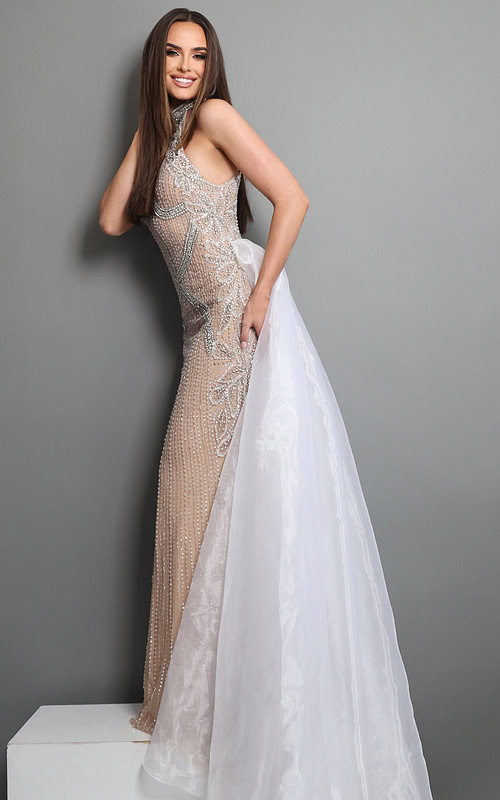
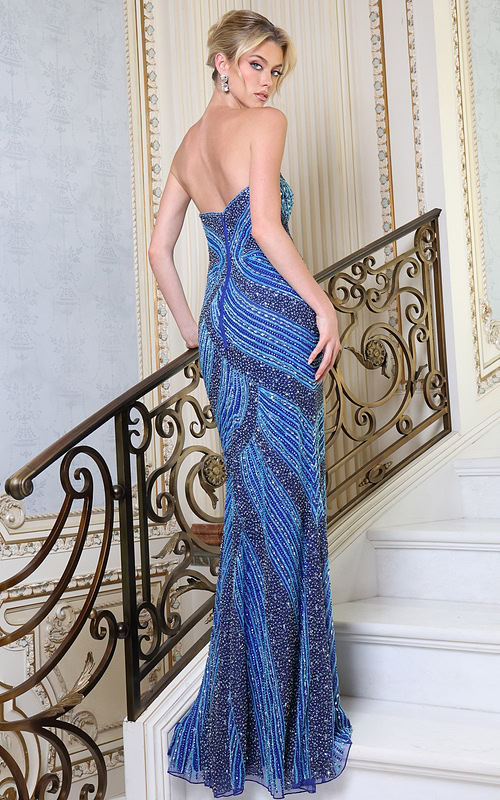
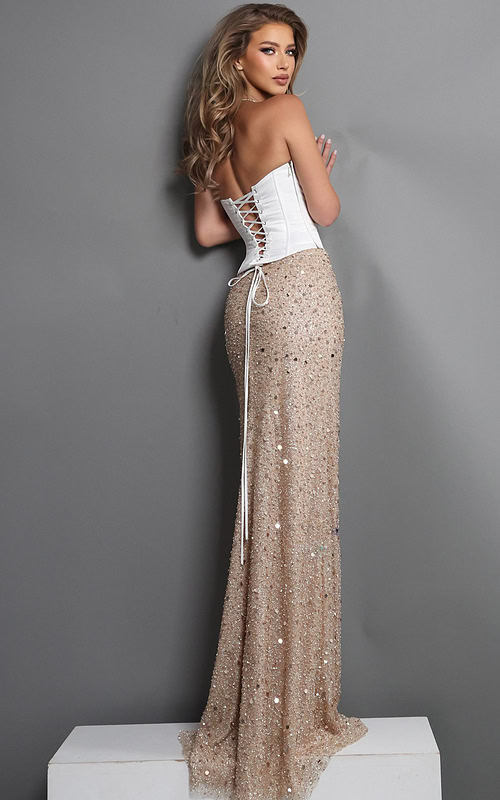
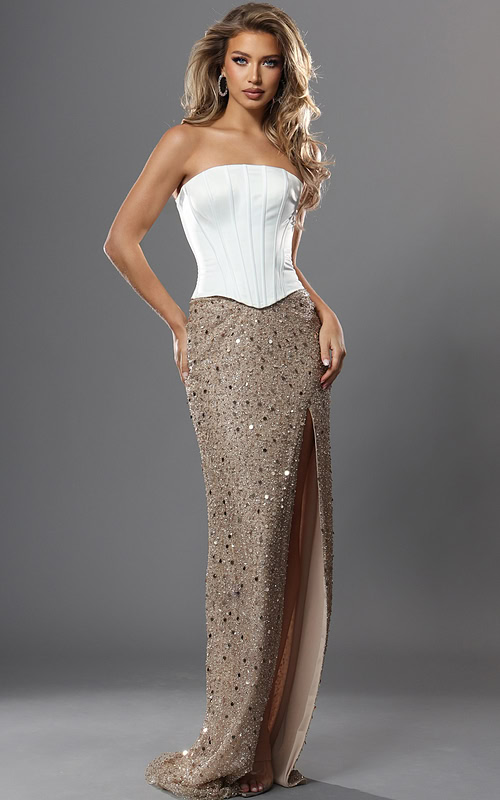
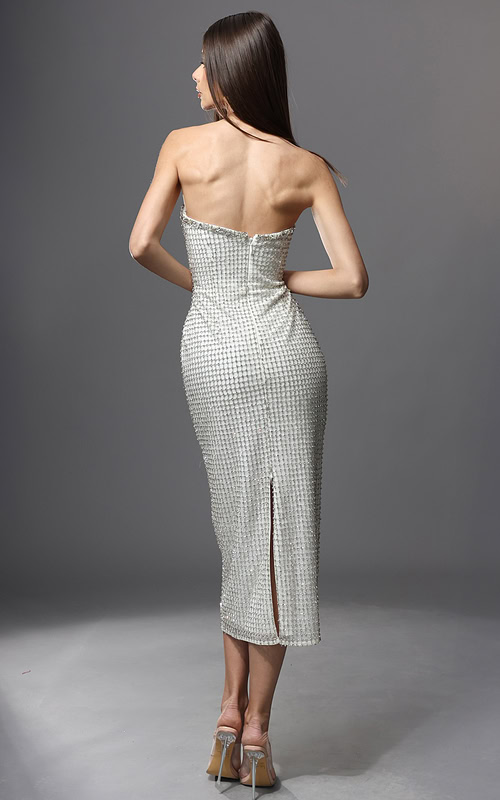
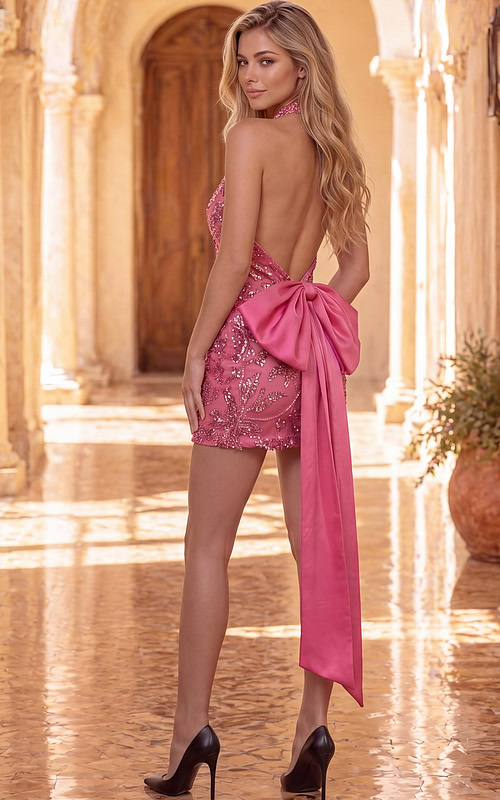
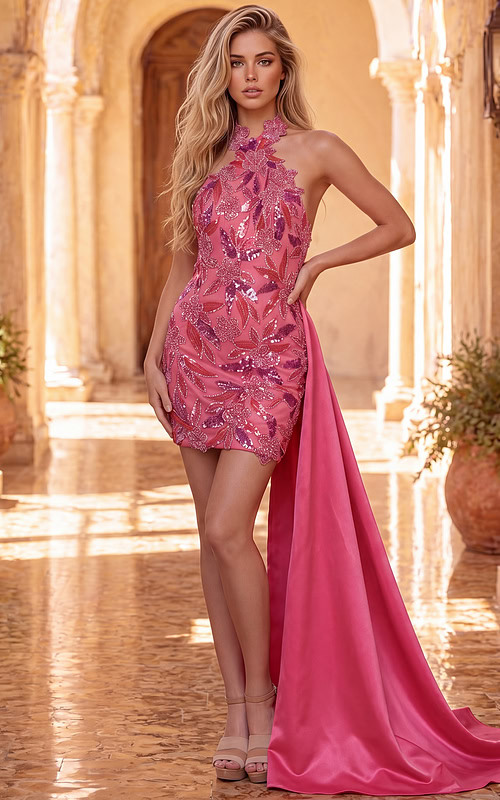
Neckline also affects proportion. Strapless corset bodices keep the shoulders open and place focus on the structure of the waist. Halter and one-shoulder designs create stronger directional lines, while long sleeves allow sequins to extend across the entire frame. Shoppers drawn to sharper, more contemporary detailing can compare these shapes with cutout couture gowns, where negative space breaks up the embellished surface. Fit should remain close enough to support the gown’s intended shape without pulling across the sequins or distorting their pattern. Smooth placement at the waist and hips is particularly important for a fitted sequin couture gown. When the design includes a high slit, open back, or sheer panel, the surrounding structure must keep the gown balanced and secure.
How Fabric Changes the Effect of Sequins
Sequins behave differently depending on the fabric beneath them. Stretch mesh allows a gown to follow the figure while supporting allover embellishment. Tulle creates a lighter, more translucent base and works well for floating layers, illusion panels, and full skirts. Velvet deepens the visual tone of sequins, while satin introduces contrast between a smooth reflective surface and concentrated decorative detail. The base fabric also influences movement. Heavily embellished mesh tends to fall close to the body, making it suitable for columns and fitted evening silhouettes. Layered tulle moves more freely and can soften the intensity of a densely decorated bodice. For shoppers who prefer shine without an entirely sequined surface, satin couture dresses provide a cleaner finish with controlled areas of beadwork or crystal detail.
Lining is equally significant. A well-lined sequin couture gown should feel smooth against the body and prevent the edges of the embellishment from causing irritation. The lining must also work with the outer fabric rather than restricting it, especially through the skirt and around a slit. In Jovani designs, this relationship between decorative surface, internal support, and movement is central to how the finished gown holds its shape.
Choosing a Sequin Couture Gown for Different Formal Events
The setting often influences which silhouette, embellishment, and finish feel most appropriate. A black-tie gala may call for a floor-length design with dense hand-applied sequins and a clean column silhouette, while a prom or pageant look might feature a dramatic skirt, sculpted bodice, or high slit that creates movement with every step.
Color plays an equally important role. Classic black remains a favorite for its depth and versatility, while gold, silver, champagne, and gunmetal maximize the reflective quality of sequins. Rich jewel tones such as emerald, sapphire, and ruby introduce dimension without relying solely on shine. Soft shades, including blush, ice blue, and lavender, offer a lighter interpretation that feels contemporary for spring and summer formalwear.
A sequin couture gown should complement both the event and the wearer’s personal style. Minimal embellishment paired with precise tailoring creates understated sophistication, whereas allover sequins deliver a more dramatic visual effect. Details such as illusion panels, asymmetric necklines, open backs, and detachable elements allow the gown to make an impression without overwhelming the silhouette. For those considering softer textures alongside embellished styles, chiffon couture gowns provide an alternative with fluid movement and lighter drape, demonstrating how fabric choice can completely transform the character of a couture design.
Details That Define Couture-Level Sequin Design
Not every sequined gown is constructed with the same level of precision. Couture-inspired eveningwear distinguishes itself through thoughtful pattern development, balanced embellishment, and structural support that remains largely invisible once the gown is worn. Rather than applying sequins uniformly across every panel, designers often vary density to emphasize the body’s natural proportions. Concentrated embellishment around the waist can create definition, while directional patterns along the skirt visually lengthen the figure. Hand-finished edges around necklines, sleeves, and slits also contribute to a cleaner appearance and improved comfort.
Construction beneath the surface is equally significant. Corset-inspired interiors, reinforced seams, supportive cups, and carefully engineered closures allow the gown to maintain its intended shape throughout an evening of movement. This balance between decoration and structure is one of the defining characteristics of high-quality sequin couture gowns.
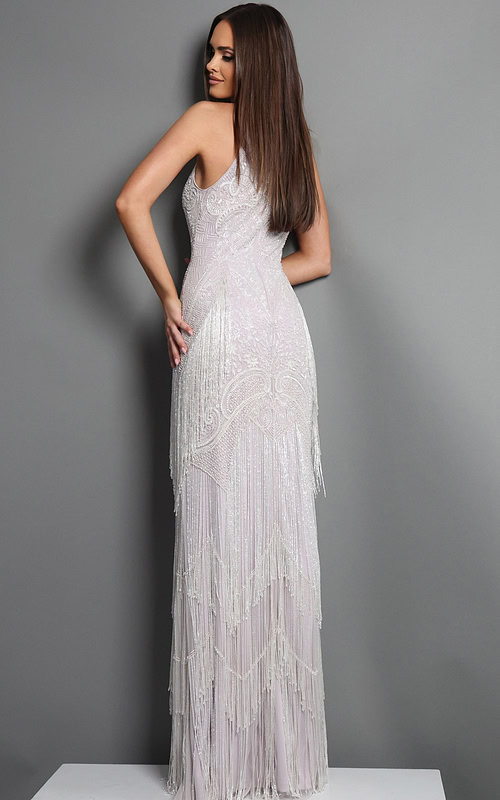
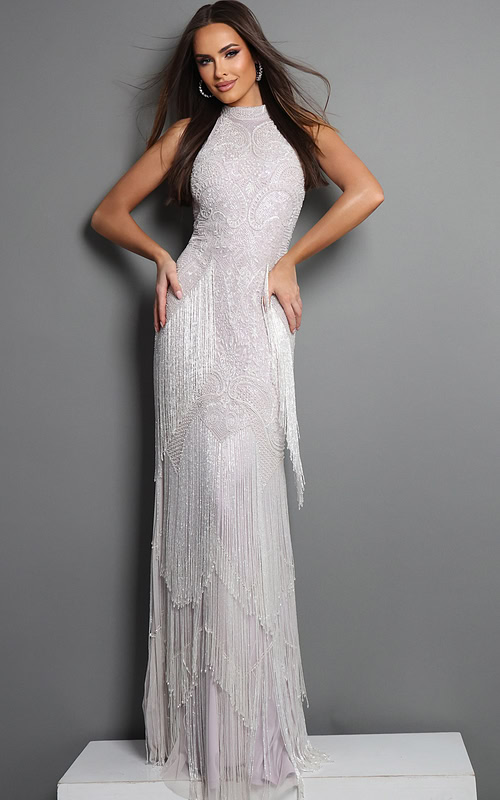
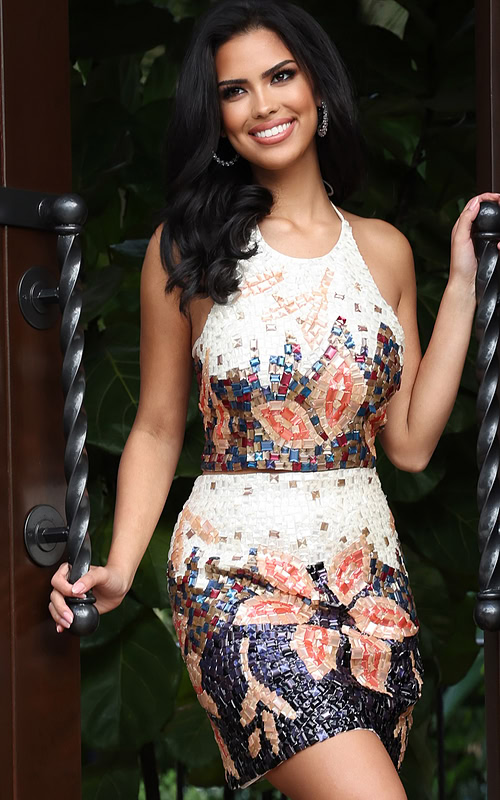
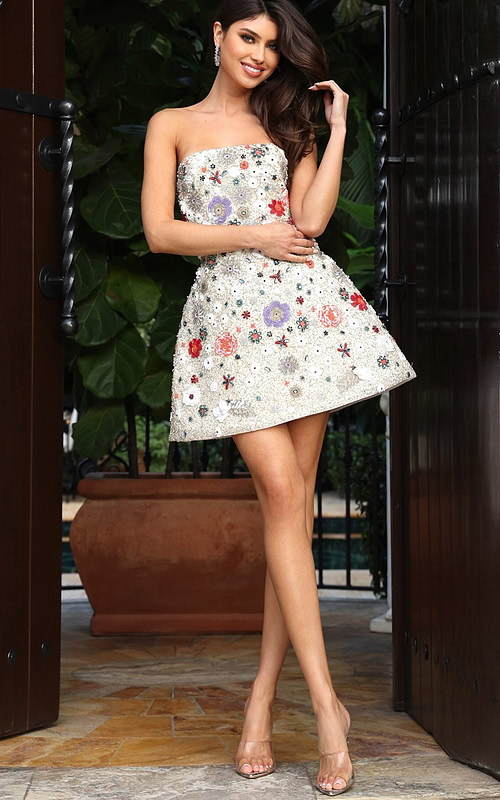
Texture offers another layer of visual interest. Sequins may be paired with tonal beadwork, crystals, metallic embroidery, or dimensional appliqués to create depth without making the design appear overly busy. When embellishment is combined thoughtfully, light reflects differently across the gown, adding richness from every angle. For shoppers who appreciate intricate surface detailing beyond sequins alone, lace couture dresses showcase another approach to texture through embroidered lace, layered appliqués, and refined craftsmanship.
Building a Versatile Formal Wardrobe with Statement Pieces
While sequins naturally draw attention, versatility comes from selecting silhouettes that remain wearable across multiple formal occasions. A clean column gown can transition from an awards dinner to an evening wedding, while a structured mermaid silhouette may suit galas, pageants, or upscale celebrations with only a change of accessories. Proportion is often more important than embellishment itself. A gown with carefully balanced sparkle, refined tailoring, and quality construction continues to feel sophisticated regardless of changing fashion trends. Choosing silhouettes that flatter the shoulders, waist, and overall frame ensures the embellishment enhances the design rather than competing with it.
Modern collections also embrace contrast. Matte fabrics paired with shimmering panels, illusion inserts framed by sequins, and sculptural necklines create visual interest without excessive decoration. These thoughtful combinations allow the embellishment to highlight the garment’s architecture instead of becoming its only defining feature. Within Jovani’s couture collections, attention to silhouette, fabric selection, and garment construction allows embellishment to complement the overall design. Whether selecting a sleek fitted gown or a dramatic statement piece, shoppers can compare finishes, proportions, and detailing to find a style that reflects both the occasion and their individual aesthetic.

 Couture Dresses